A Dream Like A Dream
Introduction
A Dream Like A Dream is an eight-hour Chinese contemporary theatrical masterpiece written and directed by Stan Lai, a highly revered figure in the theater community. Known for its complex narrative structure and immersive theatrical experience, this play is considered one of the most iconic works in Chinese theater. Since its inception, it has captivated audiences with its innovative storytelling and profound examination of human experiences. Featuring a talented ensemble cast, including prominent Chinese actors and actresses, the play continues to leave a significant mark on the theatrical landscape.
Background
Initially staged in 2000, A Dream Like A Dream has become one of China's most popular theatrical productions. This monumental work has been performed across various cities, attracting over 200,000 theatergoers. In 2021, the play embarked on a nationwide tour, visiting cities such as Wuhan, Qingdao, Chengdu, Changsha, and Beijing. The production is known for its unique structure, which blurs the lines between stage and audience, offering an immersive experience. The play's staging in Wuhan was particularly significant, as it was performed as a non-profit event to honor the city's resilience during challenging times, with invitations extended to pandemic front-line workers.
The production is brought to life by Magnificent Culture, a leading theater production company in China founded by Wang Keran. This company has been instrumental in introducing and producing acclaimed works, including A Dream Like A Dream, The Village, Ghetto, Winter Journey, and Ponzi. Wang Keran's contributions to the theater, both artistically and commercially, have been widely recognized, earning him accolades such as the Ordre des Arts et des Lettres from the French government.
Plot Summary
A Dream Like A Dream intricately weaves several overlapping narratives that unfold in a dreamlike sequence. The core story revolves around a medical school graduate who embarks on their first day at a hospital. This initial setting soon expands into a larger tapestry of interconnected tales that explore themes of life, death, and the human condition. The narrative invites audiences to journey alongside its characters as they navigate through their dreams, memories, and existential queries.
The play's structure challenges conventional storytelling by introducing non-linear timelines and merging reality with fantasy. Characters from different stories intersect and influence each other's lives, creating a rich and layered narrative experience. As the stories unfold, audiences are drawn into a world where dreams and reality coexist, prompting reflection on the nature of human experience and connection.
Themes
Thematically, A Dream Like A Dream delves into profound explorations of life’s impermanence and the pursuit of meaning. It examines the transient nature of human existence and the universal quest for purpose. Through its characters, the play reflects on themes such as love, loss, redemption, and the cyclical nature of life.
The play also addresses themes of healing and hope, resonating deeply with audiences, especially in light of recent global events. Its narrative invites viewers to contemplate the intricacies of the human spirit and the capacity for resilience amidst adversity. By embracing both the beauty and tragedy of life, A Dream Like A Dream offers a poignant meditation on the essence of being human.
Production
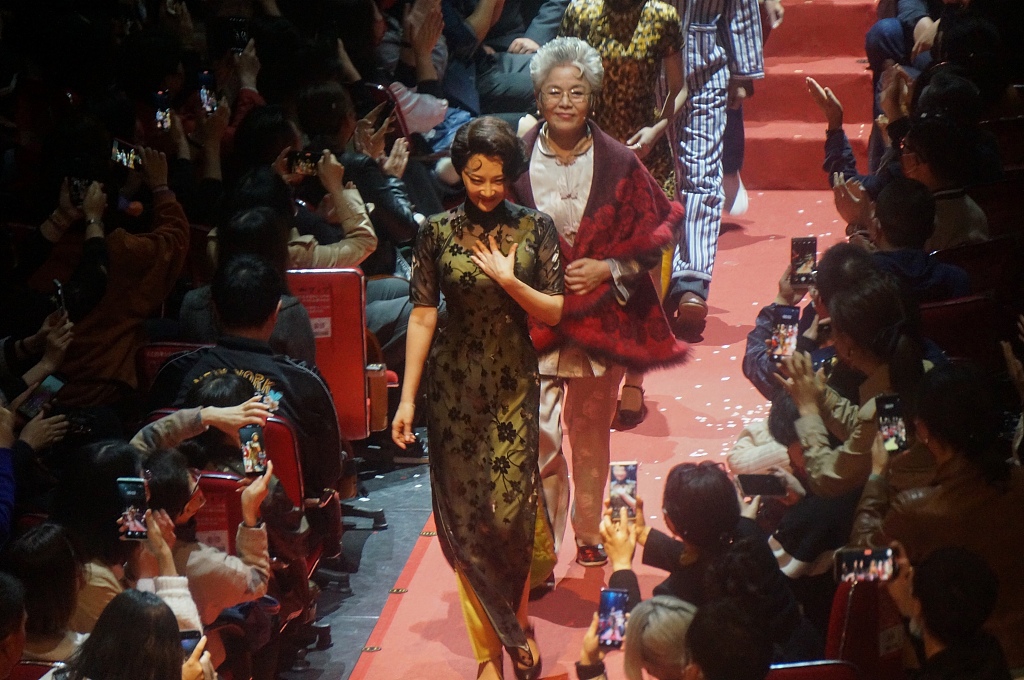
The production of A Dream Like A Dream is a significant undertaking, requiring meticulous coordination and collaboration among the creative team. Directed by Stan Lai, the play boasts an innovative stage design that immerses the audience in the theatrical experience. The staging often includes a circular set that surrounds the audience, breaking traditional theater conventions and fostering an intimate connection between the performers and viewers.
Magnificent Culture, led by Wang Keran, plays a crucial role in the play's production. The company's vision for theater as an art form that directly interacts with audiences' minds and emotions is evident in this work. The production team carefully selects scripts, actors, and directors to ensure that the play resonates deeply with its audience, emphasizing authenticity and universal themes.
Reception
A Dream Like A Dream has been met with critical acclaim and has garnered a passionate following among theater enthusiasts. Audiences have praised the play for its ambitious scope, emotional depth, and innovative narrative structure. The immersive staging and the actors’ compelling performances have been highlighted as key elements that contribute to its success.
Critics have lauded Stan Lai’s direction, noting his ability to seamlessly blend multiple storylines into a cohesive and engaging production. The play's exploration of existential themes has resonated with audiences, prompting introspection and discussion long after the final curtain call. Its reception underscores the enduring appeal of theater as a medium for powerful storytelling and human connection.
Cultural Impact
The cultural impact of A Dream Like A Dream is significant, as it has helped redefine the boundaries of contemporary theater in China. The play's innovative approach to storytelling and staging has inspired other theater productions to experiment with narrative and form. It has also contributed to a growing interest in theater as an art form, attracting diverse audiences and fostering a deeper appreciation for live performance.
The play's performances, especially in Wuhan, have been seen as a tribute to the human spirit, resonating with themes of resilience and hope. Its ability to address universal human concerns while remaining rooted in Chinese cultural contexts makes it a landmark work in the realm of modern theater.
Adaptations
While A Dream Like A Dream has not yet been adapted into other media, its theatrical success suggests potential for future adaptations. The play’s rich narrative and complex characters provide ample material for exploration in film, television, or digital platforms. Any adaptation would need to capture the immersive and introspective qualities that make the stage production so compelling.
The play's enduring themes and innovative structure present unique opportunities for reinterpretation and expansion. As theater continues to evolve, A Dream Like A Dream stands as a testament to the power of storytelling and the continued relevance of live performance in contemporary cultural discourse.








